
Addressing Fatigue at the Cellular Level
SUPPORTING ATP WITH CREATINE
By the UWM editors
Fatigue has been on our minds lately. The kind that comes at the end of a prolonged winter season. When your output hasn’t necessarily changed, but your capacity has.
This is a time of recalibration, a seasonal shift that takes more of a toll than is sometimes obvious. Light exposure is changing, cortisol timing is adjusting, and immune signaling shifts. And all of that requires energy.
So, instead of asking, “How can I push myself through this?” we’ve started asking, “How do I support energy where it actually begins?”
ENERGY ISN’T A FEELING—IT’S ATP
When we say we feel “low energy,” what we often mean is that our cells are struggling to keep up with demand. At the center of cellular energy is ATP (adenosine triphosphate). It’s the molecule that powers muscle contraction, neurotransmitter signaling, hormone production, all of it.
For example, your brain alone accounts for about 20% of total energy use, despite being only 2% of your body weight. That creates a demand on the system that doesn’t slow down in winter, even if physical activity does. So what can we do to support ATP?
CREATINE: NOT JUST FOR MUSCLES
Creatine plays a key role in regenerating ATP through what’s called the phosphocreatine system. It’s like a rapid recharge buffer. When ATP gets used, creatine helps recycle it quickly so cells can keep functioning.
Though creatine has been studied a lot for its contribution to strength and power, it’s also active in brain tissue. Creatine supplementation has been shown to offset cognitive decline during sleep deprivation. It has also been found to improve working memory and test performance.
In other words, when energy demand rises—whether it’s from physical training, stress, sleep deprivation—creatine appears to help buffer the system.
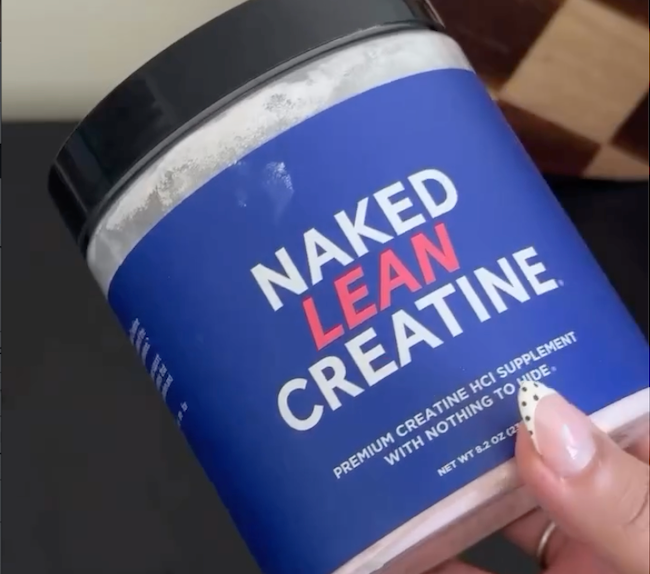
ENTER NAKED LEAN CREATINE
If you’re curious about creatine, as we were, one thing becomes clear quickly: the form matters. Naked Lean Creatine uses 750mg of Con-Cret® Creatine HCl, a highly soluble form of creatine designed to be effective at lower doses than traditional 3–5g monohydrate protocols.
Most of the clinical research on creatine’s cognitive and performance benefits has been conducted on creatine monohydrate. Alternative forms, such as creatine HCl, are designed to improve solubility and dosing efficiency and may feel more tolerable for some individuals.
This formula also includes:
Cactinea™ organic prickly pear extract, used to support natural fluid balance*
Magnesium, sodium, and potassium, which help support electrolyte status and cellular hydration*
Rather than relying on higher-dose loading strategies, this approach is built around steady, consistent use.
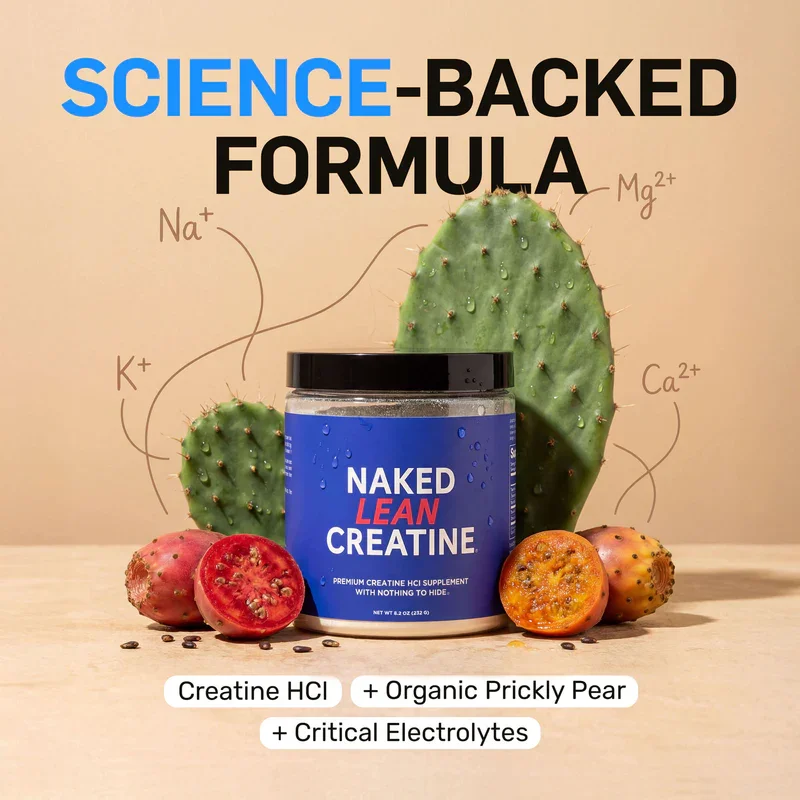
It mixes easily into water or smoothies and is flavored (Raspberry Lime), making it simple to incorporate into a daily routine.
If you’ve been curious about creatine but hesitant due to concerns about digestive discomfort or water retention, this lower-dose HCl format may be worth considering.
As always, consult a healthcare professional if you have medical conditions or specific concerns.
And remember that the basics of energy support—morning light exposure, adequate hydration, and reduced evening light—should not be set aside.
The idea is regular, steady support at the foundation of your energy production.
If creatine feels aligned for you Naked Lean Creatine is our recommendation.