
Beyond Skin Type
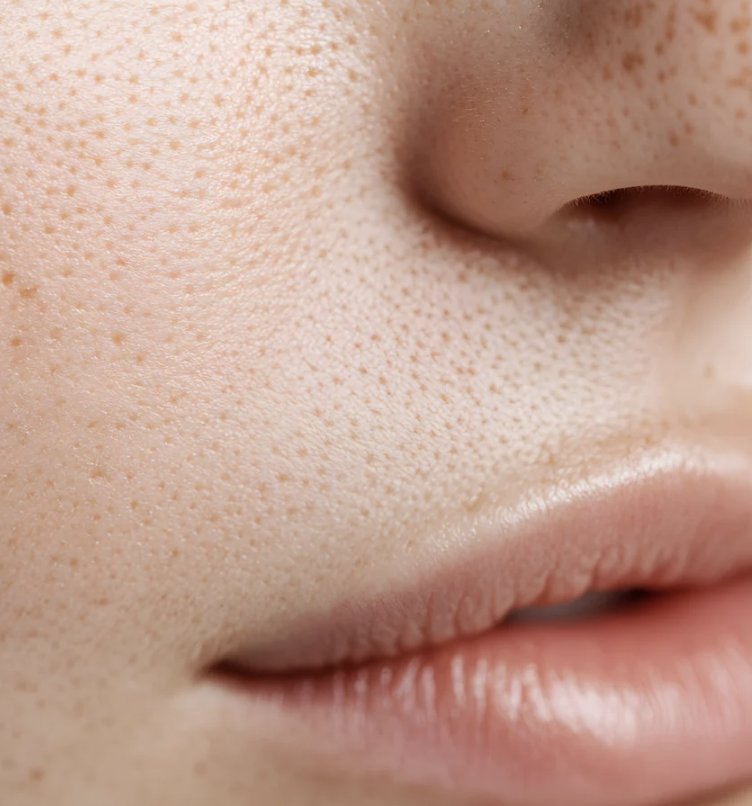
The Rise of Epigenetic Beauty
By the UWM editors
For decades, skincare has revolved around a single organizing principle: skin type.
Dry. Oily. Combination. Sensitive.
These categories helped bring order to a crowded beauty landscape—but they also flattened something far more complex. Skin isn’t static. It isn’t fixed. And it doesn’t exist independently from the rest of the body or the world it moves through.
Skin is living tissue. It responds and adapts.
This is the foundation of what’s now being called epigenetic beauty—an approach that understands skin health as dynamic, shaped by environment, stress, ancestry, and daily exposure rather than governed solely by genetics.
A peer-reviewed dermatology review explains how epigenetic mechanisms influence skin aging, barrier function, and stress response. We’re breaking it down for you:
Skin Has Memory
Epigenetics doesn’t change DNA—it changes how genes behave. In skin, this affects inflammation, repair, pigmentation, and resilience.
These mechanisms help explain why skin can shift dramatically over time, even when genetics remain unchanged.
Stress Leaves a Physiological Mark
Psychological stress activates the body’s stress response system, elevating cortisol. Studies show this directly disrupts skin barrier recovery and increases transepidermal water loss:
Additional research demonstrates that stress can measurably slow wound healing, a key component of skin regeneration:
This reframes flare-ups and sensitivity as signals, not failures.
Why “Skin Type” Often Misses the Point
Sensitive skin is frequently a temporary state, not a permanent category. Clinical dermatology research links sensitivity to reversible barrier disruption and heightened nerve response, often influenced by stress and environmental exposure. Labeling these states as fixed identities can lead to overcorrection rather than recovery.
Environment, Exposure, and Aging
Beyond stress, cumulative environmental exposure plays a major role. Research shows that pollution, UV radiation, and oxidative stress contribute to molecular changes associated with premature aging.
Skin aging is not just genetic—it’s contextual.
WHAT IT ALL MEANS
Taken together, this research suggests we need to make a shift in how we relate to our skin—from categorizing it to listening to it. Skin health isn’t a fixed label to manage or a flaw to correct; it’s an ongoing conversation between biology, environment, and individual experience.
An epigenetic lens reframes skincare as responsive rather than prescriptive, focusing on restoring balance instead of overriding symptoms. When we stop treating skin as static and start understanding it as adaptive, care becomes less about control and more about support: understanding our skin and giving it what it needs to recover, recalibrate, and function well over time.